Why Tyla Absolutely Belongs in the Afrobeats Conversation
The pattern repeats itself like clockwork: Tyla wins another Afrobeats award, and social media erupts in protest. But the debate over whether South Africa’s biggest pop export belongs in the genre misses the entire point of what Afrobeats has always been—a living, breathing, boundary-pushing movement of African popular music.
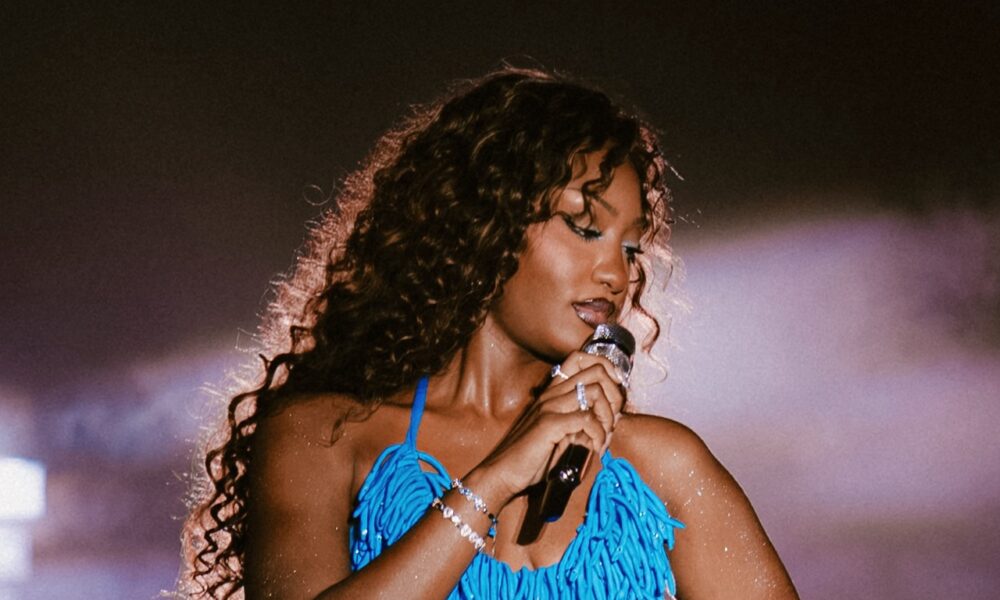
Born Tyla Laura Seethal in Johannesburg’s Edenvale on January 30, 2002, the singer represents the kind of multicultural African identity that defines the continent’s future. With Indian, Indo-Mauritian, Zulu, and Irish heritage flowing through her veins, she grew up idolizing Michael Jackson and Rihanna before convincing her parents to let her chase music instead of mining engineering. Her 2019 debut “Getting Late,” produced alongside South African beatmaker Kooldrink, caught Epic Records’ attention and landed her a deal by 2021. Tracks like “Been Thinking” earned Billboard placements, while “Girl Next Door” featuring Nigerian sensation Ayra Starr proved she could seamlessly navigate Africa’s diverse musical landscape.
Then came “Water” in July 2023—the global smash that changed everything. Built around the bacardi, a South African dance style that sparked a viral TikTok phenomenon, the track made Tyla the first South African solo artist to crack the US Billboard Hot 100 in 55 years. Her 2024 self-titled debut album blended amapiano, R&B, pop, and Afrobeats into what she calls “popiano,” performing it at Coachella 2025 with South African dancers backing her Britney-era aesthetic. The awards followed in rapid succession: Grammy for Best African Music Performance (the category’s inaugural winner), MTV VMAs for Best Afrobeats in both 2024 and 2025, MTV EMAs across multiple categories, Billboard Music Awards, American Music Awards, and a historic iHeartRadio World Artist of the Year win over Burna Boy and Tems.
Here’s where it gets interesting. Tyla herself has never hidden what she does. In interviews with Billboard, she’s explained how amapiano became her foundation, how she spent years fusing R&B, pop, and Afrobeats into her signature sound. But crucially, speaking to Vogue, she stated clearly: “I represent African music. I really push Afrobeats and Amapiano because it’s something that’s not fully recognised globally.” She’s not running from the Afrobeats label—she’s advocating for its global expansion while arguing both genres deserve individual recognition at major awards. That’s not the stance of an outsider; that’s someone fighting for the ecosystem from within.
The truth is, Afrobeats has never been a monolithic sound. The genre that emerged from West African highlife, hip hop, R&B, and dancehall has always been about African popular music reaching global audiences. Wizkid’s “Essence” sounds nothing like Rema’s “Calm Down,” yet both are undeniably Afrobeats. Tyla is African, creates pop rooted in African rhythms, incorporates West African influences into her production, collaborates with Afrobeats stars, and champions the genre on the world’s biggest stages. The resistance to calling her an Afrobeats artist requires applying a definition so strict it would disqualify half the artists currently flying the flag. Every award she wins proves what she’s been saying all along—Africa to the world means all of Africa, not just the sounds we’ve decided to gatekeep.
Stay connected with Afrobeat San Diego for the latest in global Afrobeats.