The Seyi Vibez Question: Can You Drop Too Much Heat?
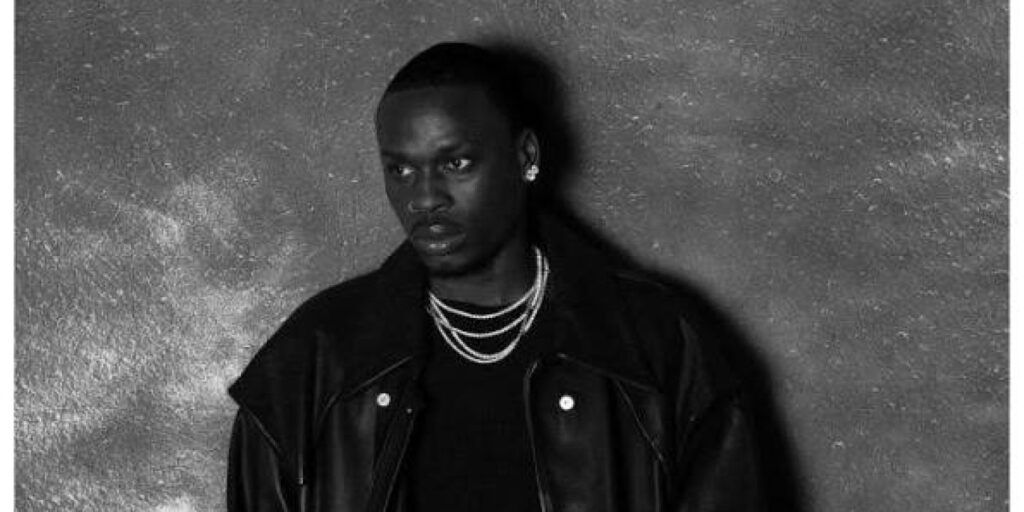
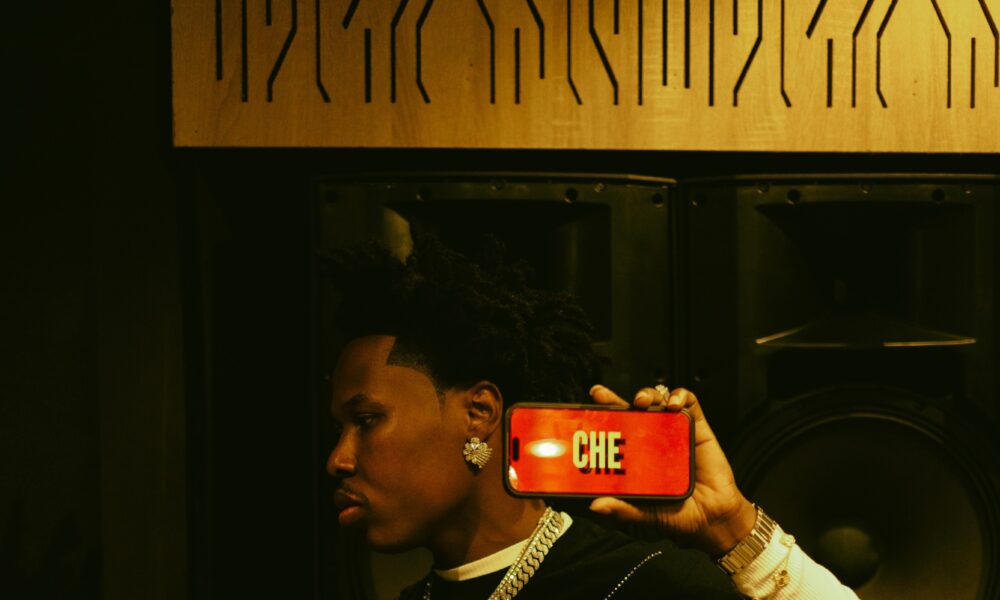
Nigerian street-pop sensation Seyi Vibez has become one of the most relentless forces in Afrobeats, and the numbers don’t lie. Since dropping his debut project No Seyi, No Vibe in 2021, the artist hasn’t taken his foot off the gas for even a second. The catalog is staggering: Billion Dollar Baby 1 & 2 in 2022, followed by Vibe Till Thy Kingdom Come, Thy Kingdom Come, Memory Card, and Nahamciaga all in 2023. Then came Loseyi Professor in 2024, Children of Africa and Fuji Moto in 2025, and now his latest offering Swaguu has arrived in 2026. That’s ten projects in five years. It’s an output that would exhaust most artists, but for Seyi Vibez, the creative well seems bottomless. On his track “Karma,” he even acknowledges this divine flow: “My inspiration no go divert / Lyrics ti ma ko, angeli gbe wa.” But here’s the million-dollar question everyone’s whispering: is all this music actually helping or hurting his legacy?
There’s method to what might look like madness. In Nigeria’s cutthroat music scene, disappearing for too long can be career suicide. Unlike established superstars who can vanish for years and return triumphant, artists still building their throne can’t afford extended absences. Seyi Vibez understands this survival code intimately. His approach is strategic cultural saturation—always present, always relevant, always giving fans something new to connect with. And it’s working. He closed 2025 as the second most-streamed artist on Spotify, a testament to his constant presence in listeners’ daily rotations. His music isn’t built on massive viral moments alone; it’s designed for repeated everyday encounters. Whether you’re navigating Lagos traffic, celebrating wins, or contemplating life’s struggles, there’s probably a Seyi Vibez track that fits the mood.
What makes his prolific output sustainable is the nature of his artistry itself. Seyi Vibez operates in the street-pop lane, blending Yoruba lyricism with Fuji influences and contemporary Afrobeats production. His songs oscillate between prayer, ambition, romance, survival, and spirituality—themes that resonate deeply with his core audience. This isn’t music that demands you stop everything and analyze every nuance; it’s music that lives alongside you. For international audiences and diaspora listeners discovering him at different entry points—maybe through Nahamciaga or Fuji Moto—having an extensive catalog means multiple doorways into his world. Each album becomes another opportunity for connection rather than competition with previous releases.
But there’s a legitimate concern lurking beneath all these wins. When albums drop this frequently, individual projects risk losing their defining power. Songs need space to breathe, to become moments rather than just content. In today’s attention economy where tracks have shorter cultural lifespans, constant releases can extend an artist’s ecosystem—but they can also dilute the impact of genuinely special work. Seyi Vibez has already proven he can create cultural reference points. The real challenge moving forward isn’t whether he can keep making music at this pace, but whether quantity might eventually overshadow the moments of genuine brilliance. As he continues navigating the balance between local authenticity and global ambition, perhaps the answer isn’t about releasing less—it’s about ensuring each release still matters. What’s clear is that Seyi Vibez is rewriting the playbook on artist presence, and we’re all watching to see where this relentless creative energy takes him next.
Stay connected with Afrobeat San Diego for the latest in global Afrobeats.