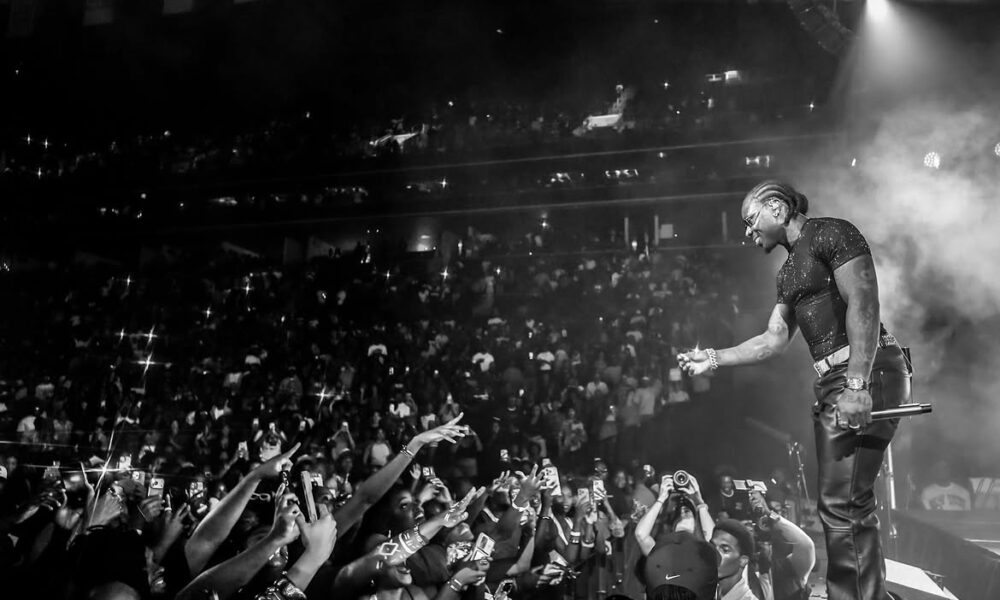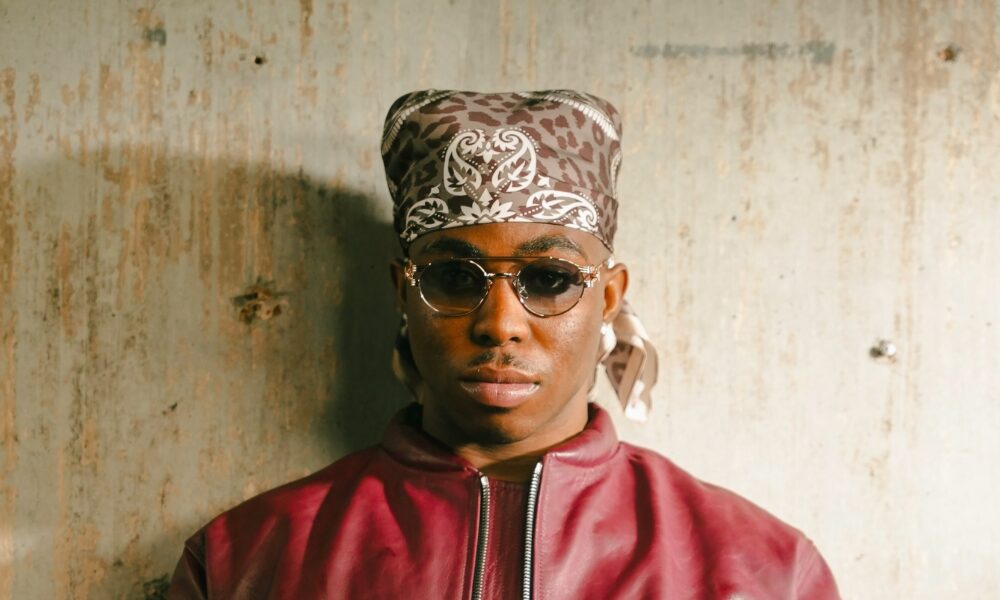
Elevated experiences celebrating the culture through dance and rhythm
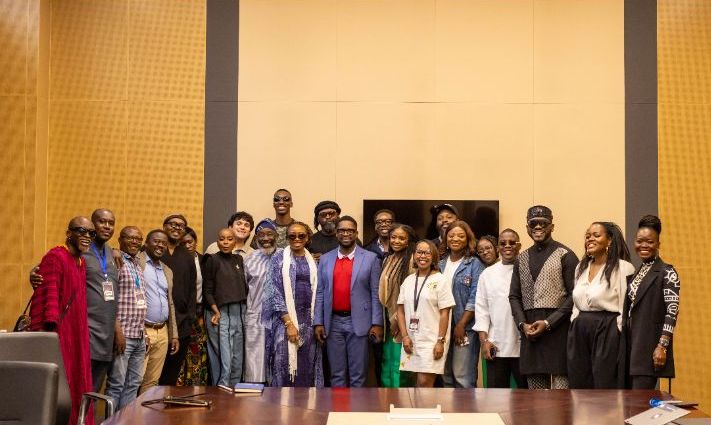
Lusaka, Zambia just became the epicenter of African creative innovation. The Africa Creative Market (ACM) 2026 wrapped up its most ambitious gathering yet—a six-day marathon of summits, showcases, and strategic conversations that brought together thousands of delegates from across the continent to reshape the future of Africa’s creative industries.
Running from June 29 to July 4, 2026, ACM 2026 partnered with the Creative Industries Business Summit Zambia (CIBSZ) and the Kwimbo National Arts Festival to create an unprecedented platform where music, film, fashion, technology, and policy converged. Representatives from Zambia, Nigeria, South Africa, Zimbabwe, Ghana, Cameroon, Senegal, and beyond descended on the Zambian capital with one shared mission: transforming Africa’s rich cultural heritage into sustainable economic power.
The event’s founder, Dr. Inya Lawal, explained Zambia’s selection with refreshing clarity. “People often ask me why we chose Zambia. My answer has always been simple; because Zambia is ready,” she stated. That readiness was echoed by Kangwa Chileshe, Permanent Secretary of Zambia’s Ministry of Youth, Sport and Arts, who emphasized the need for systemic support: “Talent alone is not enough. We must build the structures that allow talent to thrive.”
That philosophy drove every session throughout the week-long gathering. The Creative Capital Forum tackled the persistent challenge of financing creative ventures, bringing together policymakers, financial institutions, and entrepreneurs to explore practical funding pathways and entrepreneurial development. Meanwhile, the Global Creative Legal Summit addressed intellectual property protection, cross-border licensing, AI implications, and opportunities within the African Continental Free Trade Area (AfCFTA). The summit also launched two major initiatives—the African Creative Economy Lawyer (ACEL) and the Entertainment & Creative Law Hub (ECLH)—designed to strengthen legal infrastructure across the continent’s creative sectors.
Technology and digital innovation commanded serious attention. The Creative Technology Summit explored how animation, immersive tech, and AI are revolutionizing African storytelling, while specialized sessions on YouTube monetization and sustainable content creation gave digital creators actionable strategies for building revenue beyond viral moments. The Digital Creator Africa Summit pushed participants to think beyond likes and shares, focusing instead on intellectual property, strategic partnerships, and diversified income streams.
Sector-specific summits covered the full creative spectrum. The Art. Craft. Commerce Summit examined how visual artists can maintain cultural authenticity while embracing commercial innovation. The Business of Photography Summit dissected branding, growth strategies, and IP protection. Filmmakers, producers, and performers gathered at the Women in Film & TV Africa Conference, Actor Spaces Summit, Theatre & Dance Session, Kingdom Film Festival, and Distribution Summit to address financing gaps, leadership development, and audience expansion.
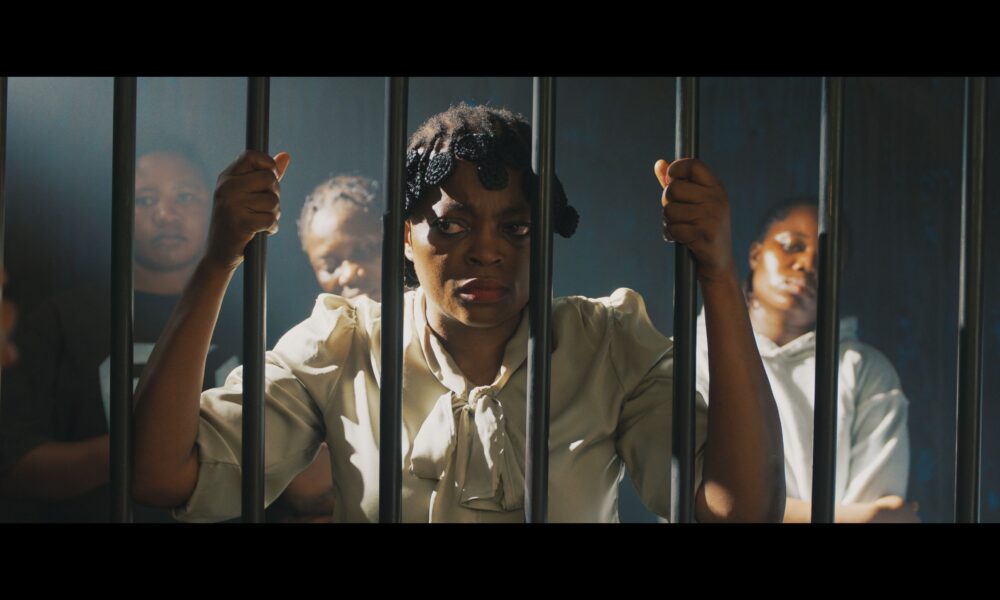
A major cultural moment arrived with the Zambian premiere of the feature film 77, drawing actors, filmmakers, government officials, and cinema enthusiasts together in a celebration that demonstrated the growing momentum behind pan-African collaboration in film. Fashion also took center stage through the FashionEVO Summit and Fashion Show & Awards, where designers, manufacturers, and investors examined sustainable production, manufacturing innovation, and export opportunities while showcasing contemporary African design to regional and international audiences.
Recognition came through the National Association of Media Arts (NAMA) Awards and Gala and the Women in Film & TV Africa Gala & Awards, celebrating excellence across creative disciplines. The event also prioritized mental health through The Activated Creative sessions, addressing burnout, resilience, and sustainable career practices in an industry that often glorifies overwork.
Beyond conference halls, the Kwimbo National Arts Festival transformed Lusaka into a vibrant cultural celebration, featuring music, dance, fashion exhibitions, and performances that engaged families and visitors while expanding public connection to the creative economy. The week concluded with the ACM Next Level Music Showcase, where emerging artist Philip Mweemba won the grand prize—cash alongside international music distribution and publishing support—beating nine other competitors before industry professionals.
As ACM 2026 closed its Lusaka chapter, organizers positioned the gathering as more than an annual event—it’s a continental movement where policy meets enterprise and partnerships transform into long-term opportunities. The connections forged, strategies developed, and collaborations initiated throughout the week signal Africa’s creative economy evolving from cultural asset to economic powerhouse, building a more connected, competitive, and globally influential future.
Stay connected with Afrobeat San Diego for the latest in global Afrobeats.
Clipse, Tyler, The Creator & Lauryn Hill Deliver Incredible Performances At 2026 Grammys: Watch
Clipse, Tyler, The Creator & Lauryn Hill Deliver Incredible Performances At 2026 Grammys: Watch
12 – 5pm, FEB 7 2026
Clipse, Tyler, The Creator & Lauryn Hill Deliver Incredible Performances At 2026 Grammys: Watch
Get notified of the best deals on our shop and afrobeats latest events