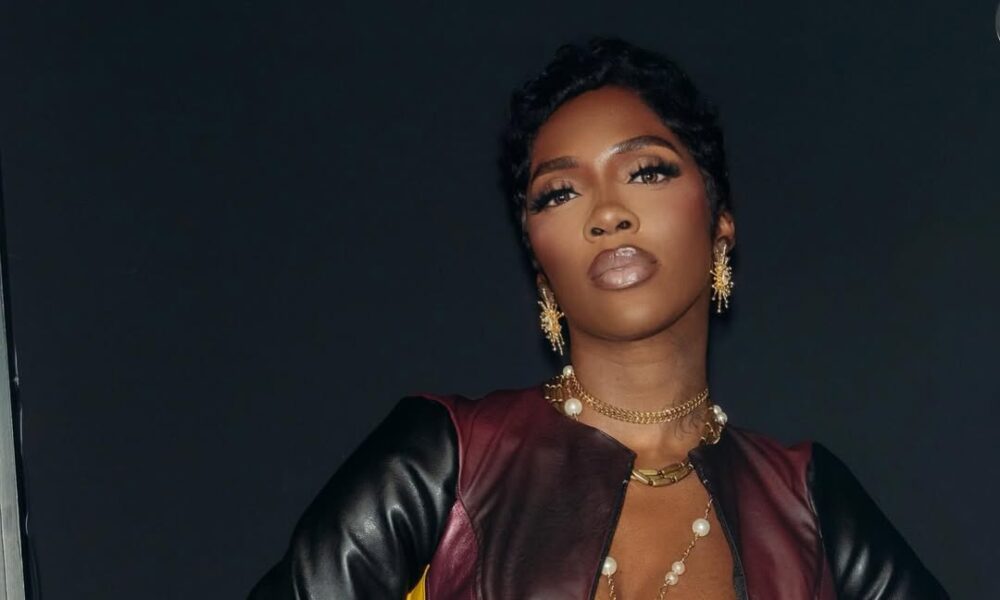
Terry Apala on Blending Tradition and Innovation: The Evolution of Apala Fusion
In the constantly shifting landscape of Nigerian music, few artists have taken on the challenge of modernizing a deeply traditional sound quite like Terry Apala. The Lagos-based musician has spent the better part of a decade transforming Apala—a percussion-heavy Yoruba genre steeped in history—into something that speaks to both cultural preservationists and Gen Z listeners scrolling through playlists. His journey from church instrumentalist to Afrobeats innovator offers a masterclass in artistic evolution without abandoning roots.
Born Isoko but raised in the vibrant chaos of Mushin, Terry Apala found himself navigating two cultural worlds from an early age. That duality became his creative superpower. While his family held tight to their Isoko heritage, the Yoruba-dominated neighborhood where he came of age exposed him to a sonic palette that would eventually define his career. Initially, he tried his hand at rap and R&B, but it wasn’t until he embraced what he calls “Apala fusion”—mixing traditional Apala rhythms with hip-hop and contemporary Afrobeats production—that his music found its identity. His 2016 breakout track “Champagne Showers” introduced the world to this hybrid sound, though he admits that at the time, younger audiences struggled to connect with what felt like their grandfather’s music dressed in new clothes.
Fast forward to now, and Terry Apala is experiencing a creative renaissance. His recent feature on Ayra Starr’s album, facilitated by Don Jazzy and the Mavin Records team, has given him renewed visibility among younger listeners who previously had no idea what he even looked like. His new single “Apaladisskizzy” featuring Mavo represents his intentional push to bridge generational gaps, collaborating with artists who understand the pulse of today’s audience. Behind the scenes, the road wasn’t always smooth—Terry disappeared from music for two years, battling depression during a period he describes as life-altering. Credits for his return go to DJ Tunez, whom he calls a blessing to Afrobeats, along with his tight-knit team and loyal fanbase. His approach to music creation remains calculated: 40% Yoruba, 40% pidgin, 20% English, all wrapped in the unmistakable tonal qualities that define Apala. For young artists eyeing traditional sounds, his advice is simple but profound: respect the roots, but don’t be afraid to evolve them into something that feels alive today.
Stay connected with Afrobeat San Diego for the latest in global Afrobeats.