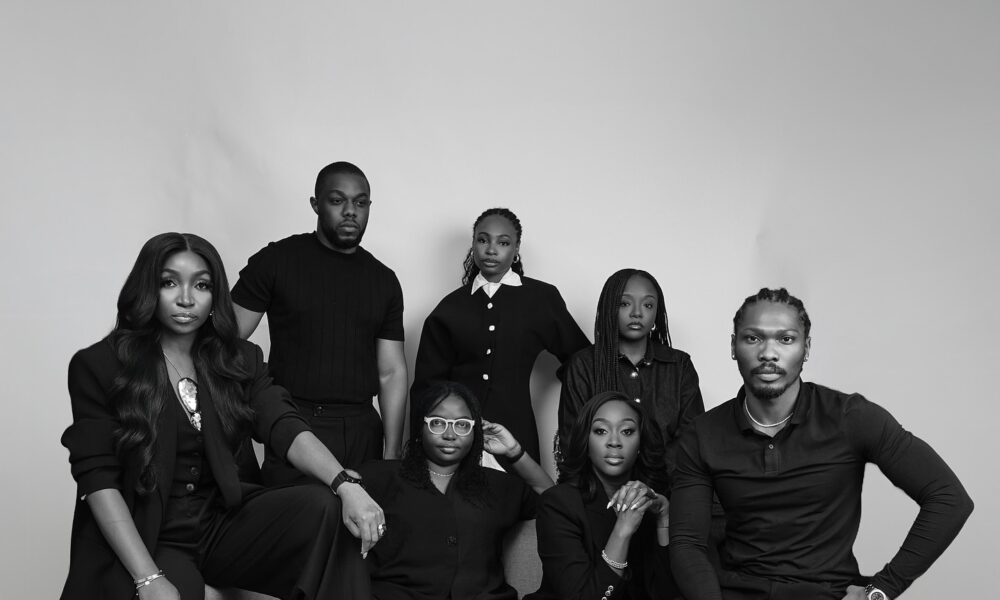
Nigerian Afrogospel artist Gaise Baba, known for his hit “No Turning Back,” is sparking an important conversation about how faith-based music gets recognized at Africa’s premier music awards. In a detailed open letter published on August 28, the veteran musician challenged The Headies to rethink how they categorize gospel artists, arguing that musical excellence shouldn’t be boxed in by lyrical content.
With over 15 years in Nigeria’s dynamic music industry, Gaise Baba’s critique cuts straight to the heart of a longstanding debate: Should a rap song be judged as rap regardless of whether it talks about money, love, or faith? His argument is refreshingly simple—artistic merit, delivery, flow, and production quality should determine categories, not subject matter. “A gospel-themed song should compete in songwriting, production, and genre-specific awards where it meets the criteria,” he contends, pointing out that restricting faith-based rap to inspirational categories essentially blocks it from competing in the broader hip-hop field.
The timing of Gaise’s letter is particularly pointed. At the previous Headies ceremony, he was nominated for Best Inspirational Single for “Particularly” featuring gospel legend Tope Alabi, alongside artists like Anendlessocean, Mercy Chinwo, and Limoblaze. Despite his team’s full participation—including media rounds and attending the pre-awards reception—the Inspirational Music category was never announced during the main ceremony, which ran over five hours. That experience clearly stung, and now with his collaboration with Lawrence Oyor, “No Turning Back II,” nominated again for the 2026 edition, he’s speaking up. The 18th Headies, scheduled for October 25 in Toronto, will feature 35 categories, and Gaise is essentially asking: If songs about faith have cultural impact and commercial success, why shouldn’t they compete on the same playing field as everything else?
Whether The Headies responds to these concerns remains to be seen, but Gaise Baba has opened a necessary dialogue about representation and recognition in African music. His question resonates beyond gospel: In an industry as diverse and innovative as Nigeria’s, shouldn’t artistic boundaries be defined by creativity rather than content?
Stay connected with Afrobeat San Diego for the latest in global Afrobeats.