Why Nico Williams Gave His World Cup Medal to His Mother: A Story Rooted in Ghana
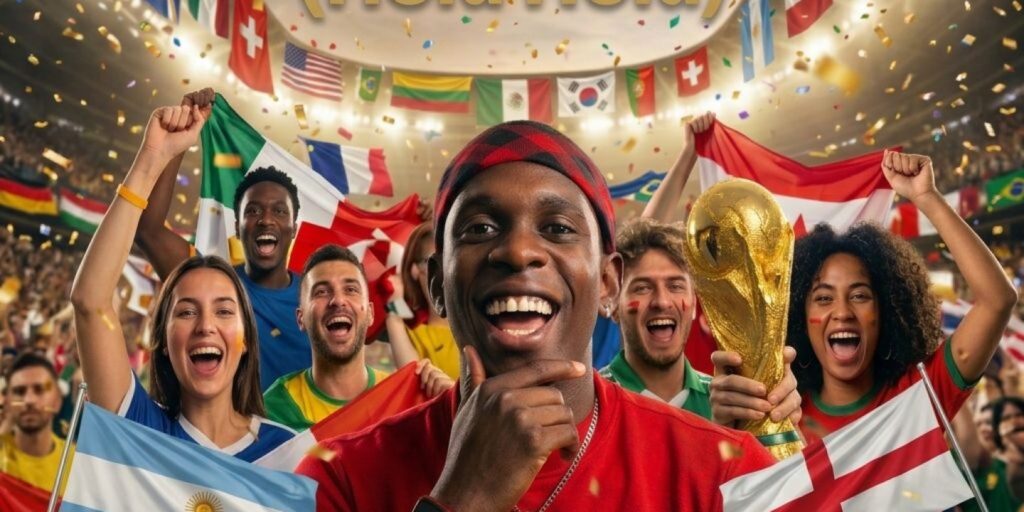
When Spain’s Nico Williams climbed into the MetLife Stadium stands minutes after winning the 2026 FIFA World Cup, he wasn’t looking for cameras or celebration. The 24-year-old winger had one mission: finding his mother, María Arthuer, and placing his gold winner’s medal around her neck. The tearful embrace that followed went viral worldwide, but the story behind that moment stretches back three decades to Ghana—and it’s nothing short of extraordinary.
Williams came off the bench in the second half of Spain’s tense final against Argentina, injecting pace and purpose down the left flank when his team needed it most. In the 106th minute of extra time, he delivered the decisive assist, breaking free and whipping a low cross for Ferran Torres to finish, securing Spain’s 1-0 victory and second World Cup title. But for Nico, the real victory belonged to his parents.
In the mid-1990s, Félix and María Williams left Ghana seeking safety and opportunity in Europe. María was seven months pregnant with their first son, Iñaki, when they embarked on a brutal 2,000-mile journey—riding in open-top trucks before walking barefoot across the scorching Sahara Desert. After reaching Melilla, Spain’s North African enclave, they scaled the border fence and were detained. Facing deportation, a Catholic aid lawyer advised them to destroy their documents and claim political asylum. They stayed, working multiple jobs to rebuild their lives in Spain and raise two sons who would become professional footballers.
“I run very fast, but I can’t run as fast as my mother,” Nico reflected after Spain’s Euro 2024 triumph. “She once escaped death and crossed the Sahara to come from Ghana to Spain. I gave the medal to my mother because she deserves it more than anyone else.”
The Williams brothers represent a beautiful cultural bridge: while Nico chose to play for Spain, where he was born, his older brother Iñaki proudly represents Ghana’s Black Stars, honoring their parents’ homeland. Both use their La Liga platforms to speak out against racism and uplift African immigrant communities. After the World Cup final, Iñaki captured the moment’s deeper meaning in a message to his brother: “You have made millions of immigrants like our parents proud that their future children might one day experience what you have experienced, and you have made millions of Spaniards empathise with our story—which isn’t just ours, but that of everyone who leaves everything behind for a better future.”
When Nico placed that medal around his mother’s neck in New Jersey, it wasn’t just a son thanking his mom. It was public acknowledgment that every sprint down the wing, every trophy, every dream realized began with a woman who walked across a desert so her children could fly.
Stay connected with Afrobeat San Diego for the latest in global Afrobeats.