Elevated experiences celebrating the culture through dance and rhythm
Picture this: while you’re reading this sentence, dozens of new tracks just dropped on Spotify. Every single week, around 120,000 fresh songs flood the platform, all fighting for the same precious seconds of listener attention. In Nigeria’s bustling music ecosystem alone, tens of thousands of artists are uploading their dreams to streaming services, each one hoping to catch the ear of playlist curators, viral TikTok moments, and those elusive record label A&Rs.
It’s time to confront the question that makes every emerging artist uncomfortable: What makes you impossible to ignore?
Here’s the hard truth—being talented isn’t enough anymore. Talent is simply the price of admission, not the golden ticket. Lagos is packed with phenomenally gifted singers, rappers, and producers who will never reach beyond their immediate circle. The scarcest commodity in today’s music industry isn’t talent; it’s attention. And attention doesn’t automatically flow to the most skilled person—it gravitates toward whoever commands the room’s focus.
Ask any group of unsigned artists about their game plan, and most will tell you some variation of: “I’ll keep releasing quality music until people catch on.” This approach sounds reasonable on the surface, but it’s actually a career death sentence disguised as strategy. It’s built on the dangerous assumption that excellence speaks for itself, that the music marketplace operates as a meritocracy that will eventually discover hidden gems. But the reality? The market isn’t searching for you. It’s overwhelmed, armed with skip buttons and algorithmic filters designed specifically to manage the endless tsunami of content.
Quality without context is like shouting into a stadium where 10 million other voices are shouting simultaneously—you simply disappear into the noise.
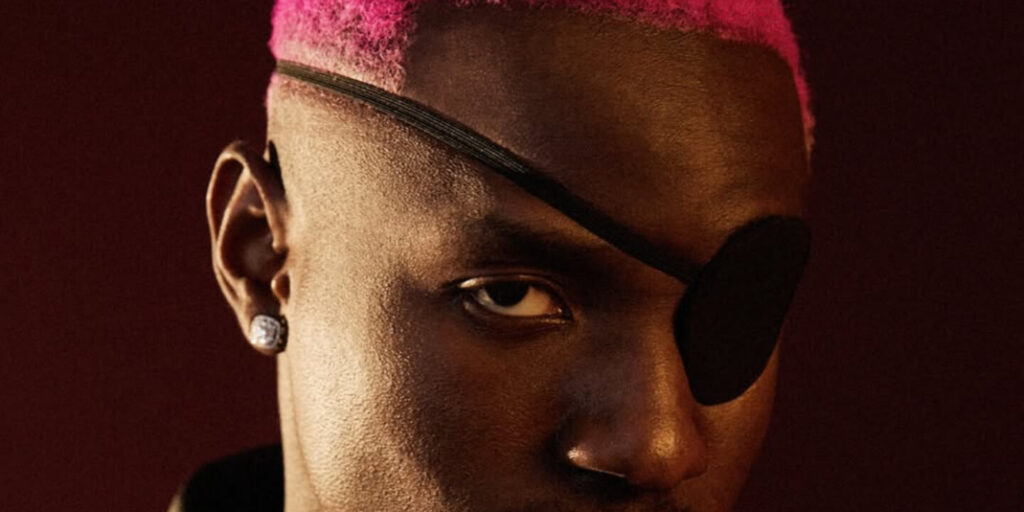
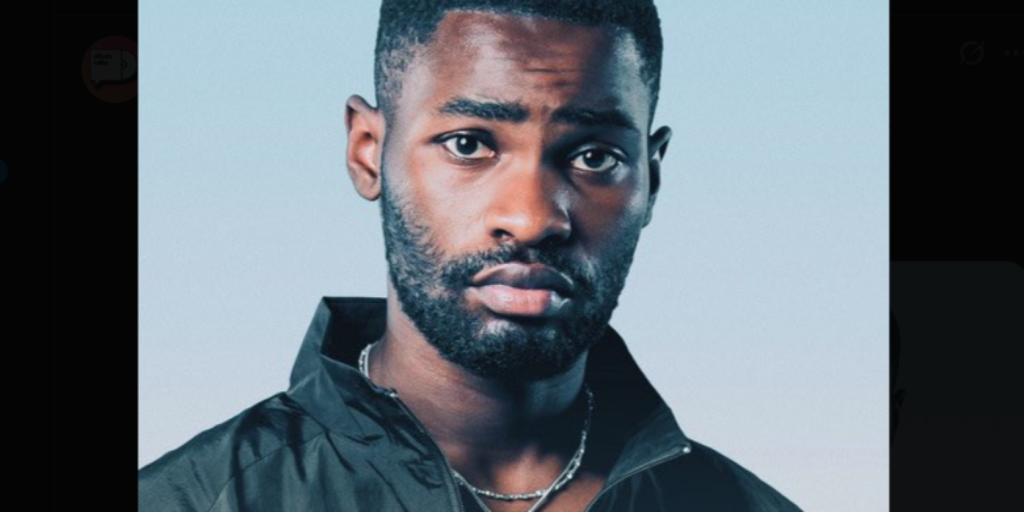
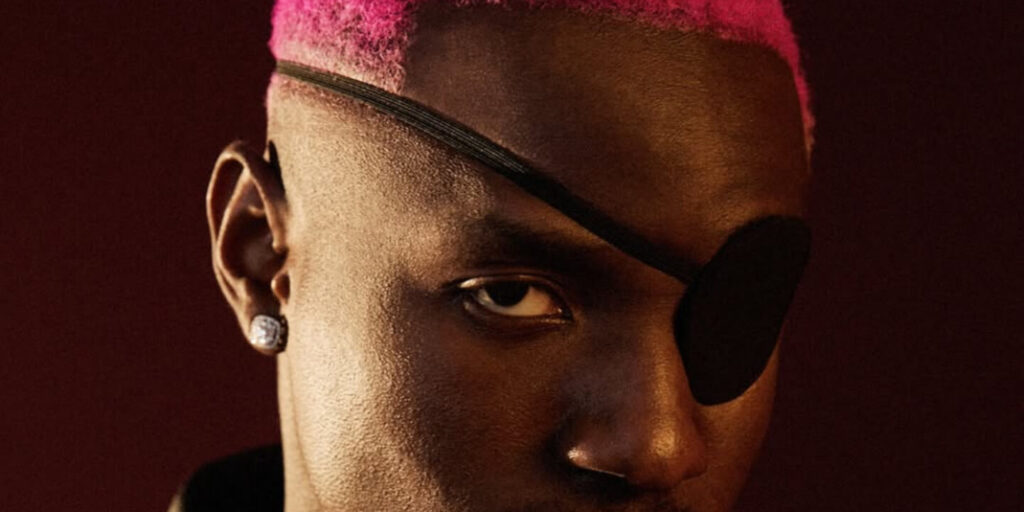
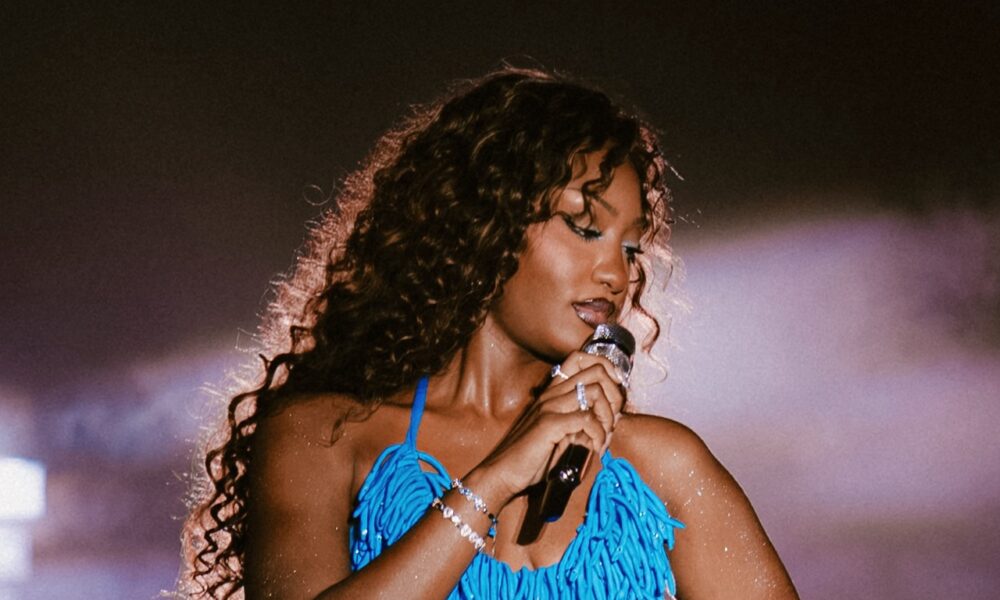
When you examine the Nigerian artists who’ve genuinely broken through the clutter—Asake, Rema, Tems, Ayra Starr, Odumodublvck, Shallipopi—a pattern emerges. Beyond their undeniable talent, each delivered something specific that made them instantly recognizable:
Asake brought a distinctive fusion of Fuji and street-pop with a vocal signature so unique that you could identify him within seconds of “Mr. Money” playing.
Rema constructed an entire universe around his sound—coining “Afro-rave” and building the “Ravage” aesthetic that positioned him as his own category, not just another name on a label roster.
Tems offered intimacy in a genre often characterized by sonic maximalism, with a voice that feels like a private conversation rather than a performance.
Odumodublvck unleashed an unapologetic Abuja street-rap energy that carved out space in a scene that had become overly comfortable with Lagos-centric sounds.
The common thread? Each artist is immediately describable in a single sentence. That’s not accidental—it’s the actual product. The music is simply how that product reaches your ears. If a stranger can’t articulate what separates you from the last three artists they heard, you haven’t built an identity yet; you’re just occupying a genre.
Whether someone discovers you through TikTok, Spotify’s autoplay, or a friend’s recommendation, they’re making a split-second judgment about whether you deserve more of their time. You have maybe three to eight seconds to answer three critical questions:
What category do you belong to? The brain needs to quickly file you somewhere. Ambiguity isn’t intriguing here—it’s exhausting.
What’s your unique signature? What specific element—a vocal quirk, a production choice, a perspective—sets you apart from everyone else in your lane?
Is there a real person here? Modern audiences have developed sharp radar for detecting authenticity versus manufactured personas. The artists breaking through aren’t always the most polished; they’re the ones who feel genuinely passionate about their craft.
This might sting, but it needs to be said: music has never spoken for itself. Not for Fela Kuti with his Shrine and revolutionary politics. Not for Burna Boy with his carefully crafted “African Giant” mythology. These artists built entire worlds around their sound—narratives, aesthetics, and personas that primed audiences to connect with their music before they even pressed play. The context does so much heavy lifting that by the time listeners hear the actual song, they’re already invested in the story.
This explains why artists with stronger identities consistently outperform those with technically superior vocals but no clear persona. It’s not about fairness—it’s about how human memory and attention actually function. We don’t remember individual songs as much as we remember people, and songs become the soundtrack to those relationships.
The solution isn’t trying to be better than millions of competitors—it’s becoming recognizably different from all of them. Here’s how:
Lean into what naturally flows from you. Not what you think will trend, but what emerges authentically. Audiences instinctively sense the difference between someone chasing a wave and someone channeling something genuine.
Narrow your focus before broadening it. Versatility is powerful later in your career, but starting out by trying to appeal to everyone means becoming memorable to no one. Define the sharpest version of yourself first.
Make your signature undeniable through repetition. That distinctive ad-lib, visual motif, or lyrical obsession only becomes “yours” when people encounter it consistently enough to expect it.
Give people a story worth retelling. Not a polished press release, but a human detail that someone can repeat in one sentence that sparks curiosity.
Exist between releases. The difference between one-hit wonders and lasting careers often comes down to whether audiences feel they know you as a person, not just as a source of occasional content.
Nobody owes you attention because you worked hard, invested in production, or believe in your potential. In a marketplace with 10 million options, attention must be earned by offering something specific and irreplaceable—a perspective, personality, or sound that exists nowhere else. The artists breaking through right now aren’t exploiting algorithm secrets; they’ve simply shifted from asking “how do I make good music?” to “how do I make music that could only come from me?” That second question is infinitely harder to answer, but it’s the only one that truly matters when you’re competing with millions.
Stay connected with Afrobeat San Diego for the latest in global Afrobeats.
Clipse, Tyler, The Creator & Lauryn Hill Deliver Incredible Performances At 2026 Grammys: Watch
Clipse, Tyler, The Creator & Lauryn Hill Deliver Incredible Performances At 2026 Grammys: Watch
12 – 5pm, FEB 7 2026
Clipse, Tyler, The Creator & Lauryn Hill Deliver Incredible Performances At 2026 Grammys: Watch
Get notified of the best deals on our shop and afrobeats latest events