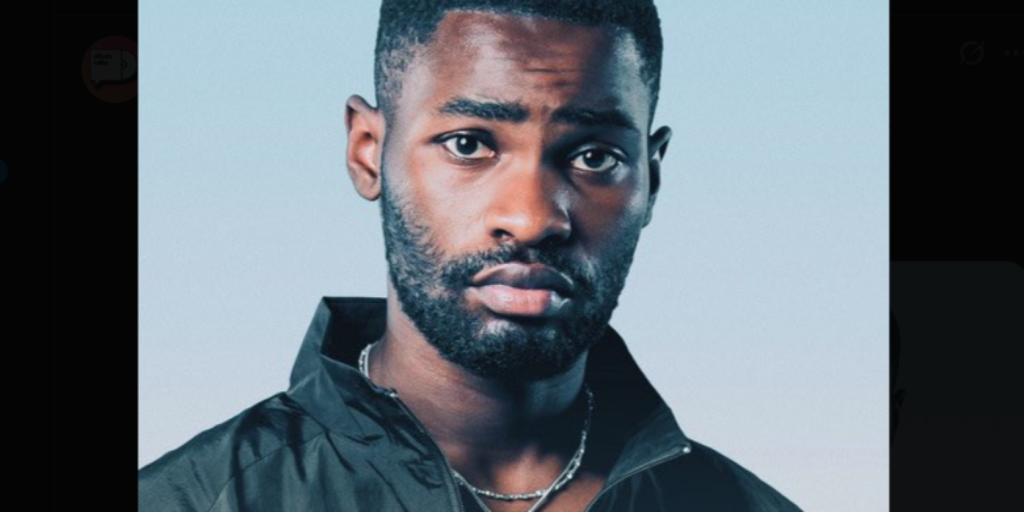
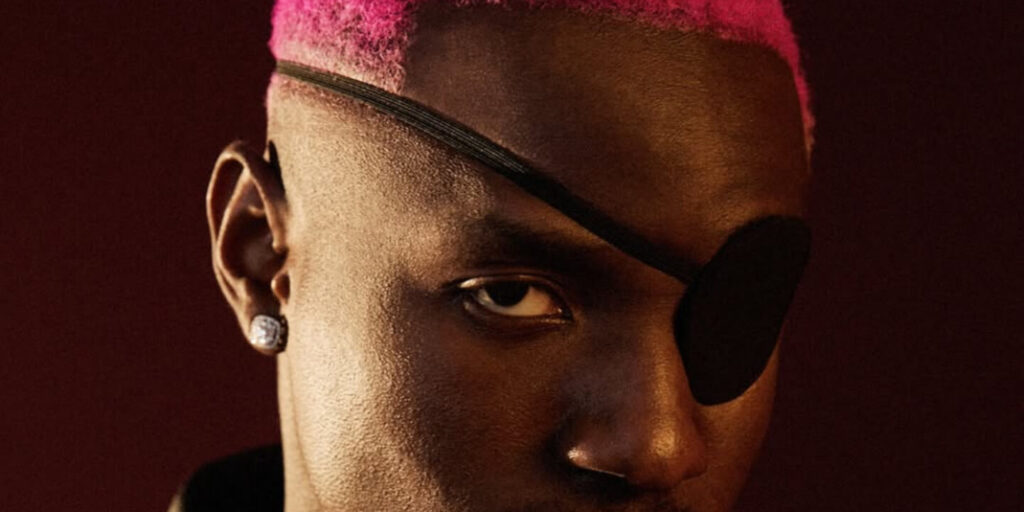
The CKay Question Returns: Has Afrobeats’ Emo Pioneer Lost His Way?
Back in 2017, music journalist Osagie Alonge posed a dismissive question to Chocolate City’s M.I Abaga on the Loose Talk Podcast: “Who the f*ck is CKay?” It was the kind of rhetorical jab designed to wound, suggesting the young artist wasn’t even worth discussing. CKay’s response was masterful—he titled his debut EP #WTFiCKay and let his music do the talking. Fast forward to 2025, and that same question is resurfacing, but this time it’s coming from CKay’s own fanbase.
The architect of emo-Afrobeats built his reputation on emotional precision. Tracks like Emiliana, Love Nwantiti, and Kiss Me Like You Miss Me weren’t just songs—they were carefully crafted emotional experiences that resonated globally. His albums Boyfriend and Sad Romance (featuring collaborations with Davido, Focalistic, and Abidoza) cemented his position as an artist who understood the power of vulnerability wrapped in melody. Every chord progression felt intentional, every lyric earned its place. But something shifted after his third album Emotions underperformed. Following his departure from Warner Music Africa and the launch of CKay Holdings LLC, the artist began experimenting with a harder, more commercial Afropop sound. Body (danz) with Mavo racked up 58 million Spotify streams, signaling a new direction. Then came Badminton and African Girls with Kidd Carter—tracks that lean heavily into dancehall grooves and, as one fan eloquently put it, songs about “bum bum.”
The backlash has been swift and heartfelt. Fans have penned open letters mourning the loss of the lover boy who made them feel seen. Twitter user @OAfejuku15012 pleaded simply: “Ckay please go back to being a lover boy. Thank you.” Another fan, Paul Jimmz, reminded the artist of his legacy: “There is particular ckay we fell in love with not what you have been doing of late.” CKay’s response? “fela kuti sang about nyash. dont stress me.” While technically true—Fela Kuti did explore physicality in his music—the comparison feels incomplete. Fela’s work existed within a larger political and philosophical framework. The question fans are really asking is: what deeper conversation is African Girls trying to have?
The debate centers on whether CKay is evolving or simply chasing streaming numbers. Is this artistic growth or the sound of creative wells running dry? The numbers don’t lie—his newer sound is performing commercially. But CKay’s original fans didn’t sign up for temporary hits; they connected with timeless, emotionally resonant music that could sustain a career for decades. In 2017, Osagie Alonge’s dismissive question was answered definitively by one of Afrobeats’ most precise emotional architects. In 2025, as CKay pivots toward a more generic Afropop sound, even his most loyal supporters are asking that same question again—and this time, the answer isn’t as clear.
Stay connected with Afrobeat San Diego for the latest in global Afrobeats.