The Tyla-Nigeria Controversy: When Art Meets Activism in African Music
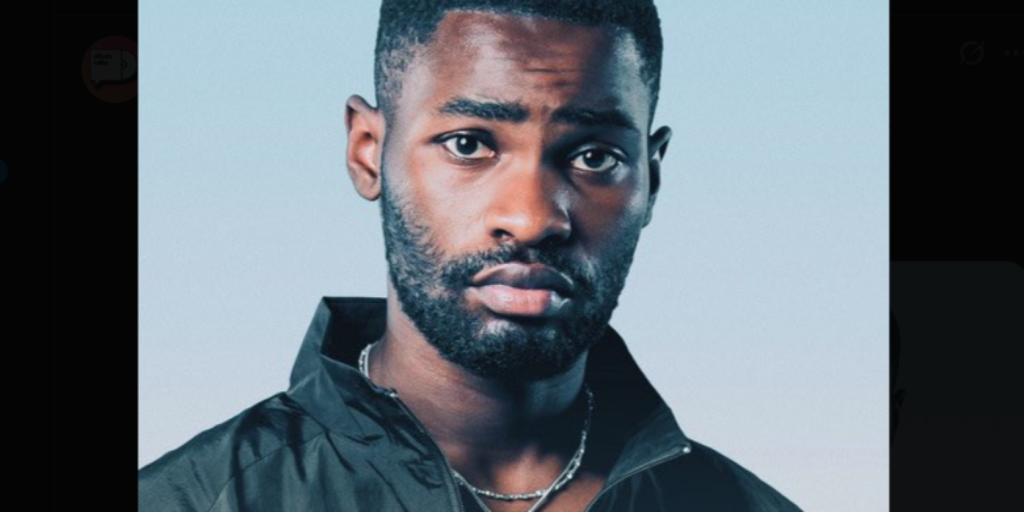
The intersection of music and social responsibility has never been more complicated for African artists. South African sensation Tyla recently found herself at the center of a heated debate after quietly removing Lagos from her upcoming tour schedule—a decision that has sparked intense conversation about what artists owe their fans beyond the music they create.
The controversy stems from growing tensions between Nigeria and South Africa, particularly surrounding xenophobic attacks and anti-migrant sentiment that Nigerian nationals have faced in South Africa. When Tyla remained silent on these issues, Nigerian fans launched an online campaign, including a petition demanding she be banned from performing in the country until the attacks cease. Around the same time, reports emerged that Nigerian Afrobeats star Ayra Starr had her South African visa denied for a scheduled performance, adding fuel to an already blazing fire. The timing couldn’t be more charged, and Tyla—who has collaborated with Nigerian artists and built a substantial fanbase in the country—suddenly found her silence under a microscope.
This situation raises thorny questions that don’t have easy answers. Should an artist’s access to perform be contingent on their political statements? The EndSARS protests of 2020 demonstrated the power of celebrity voices when Wizkid, Burna Boy, Davido, and others lent their platforms to amplify calls for justice. Their participation undeniably gave the movement greater visibility. But does that success create an obligation for every artist to speak on every issue? The digital age has transformed expectations—what an artist posts, likes, or conspicuously ignores becomes part of their public record. Fans who stream songs, buy tickets, and build careers inevitably expect some acknowledgment of the realities they face, whether that’s displacement, discrimination, or violence.
Yet the uncomfortable truth remains: an artist’s statement, however well-intentioned, won’t stop systemic violence or change government policy overnight. Tyla speaking out wouldn’t necessarily prevent future xenophobic attacks, just as banning her from Nigeria won’t protect Nigerians in South Africa. What this moment really illuminates is the impossible position modern African artists find themselves in—expected to be both entertainers and activists, judged equally for their art and their politics. The burden may feel unfair, but it’s the reality of making music in an era where influence extends far beyond the stage, and silence speaks just as loudly as words.
Stay connected with Afrobeat San Diego for the latest in global Afrobeats.