Spotify Data Shows How African Music Is Keeping Long-Distance Friendships Alive
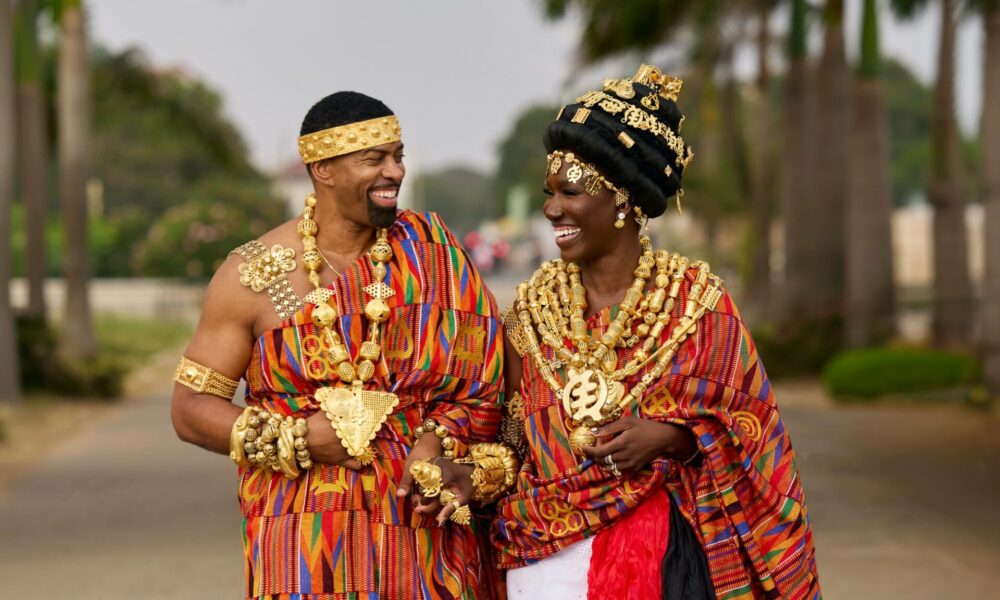
In a digital age where Africans are increasingly scattered across continents—chasing degrees in London, careers in Dubai, or opportunities in Nairobi—music has emerged as the invisible thread keeping friendships intact. New Spotify data released for International Friendship Week reveals just how central playlists have become to maintaining connections across the African diaspora, with over 128,000 friendship-themed playlists created across Sub-Saharan Africa alone.
The numbers tell a compelling story about modern African friendship. More than 82,000 playlists feature “friend” or “friends” in their titles, while another 14,000+ are dedicated to “besties.” But it’s not just about passive listening—over 1,300 collaborative playlists have been created, allowing friends to build shared soundtracks in real-time despite being separated by time zones. Features like Spotify Blend and Spotify Jam are transforming how distance is experienced, letting a student in Accra and their childhood friend in Johannesburg share musical moments as if they were in the same room. These playlists have become emotional shorthand, a way of saying “I remember” without typing a single word.
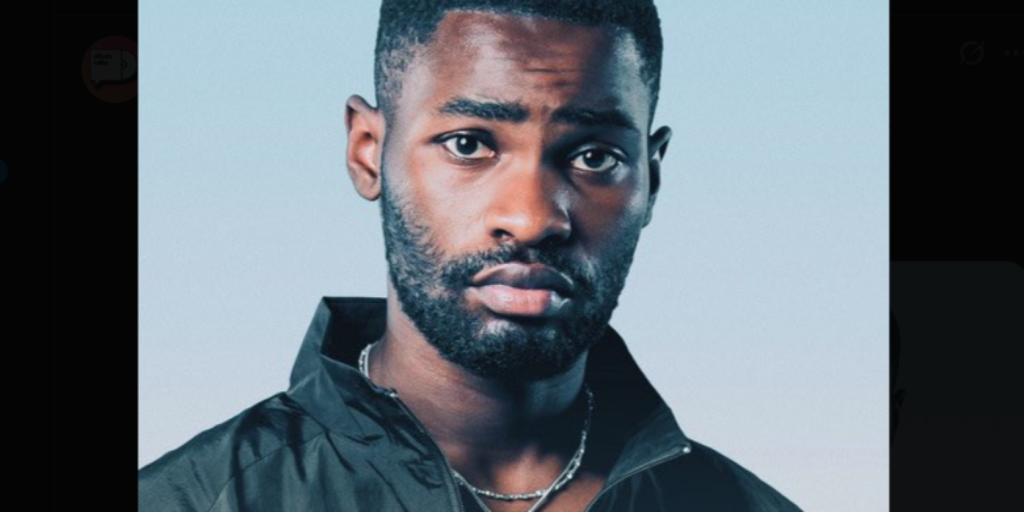
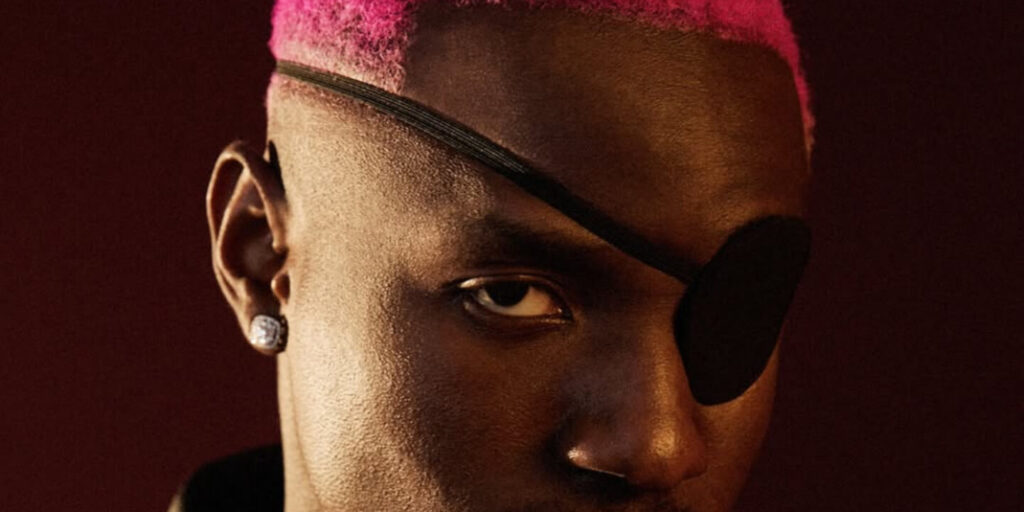
The soundtrack to these long-distance friendships is unmistakably African. Nigerian superstars Asake, Tems, Wizkid, and Rema dominate as the most-added artists on shared playlists, while tracks like “Mario Kart,” “Me & U,” “Chanel,” “Remember,” “How Are You (My Friend),” and “Doha” provide the rhythmic backdrop. The lineup reads like a who’s who of contemporary African music: Burna Boy, Ayra Starr, Omah Lay, Seyi Vibez, alongside South African heavyweights Tyla, Kabza De Small, DJ Maphorisa, Kelvin Momo, Babalwa M, and Sipho Gumede. Yet these homegrown anthems sit comfortably alongside global hits from Ariana Grande, Billie Eilish, and Sombr, proving that African listeners curate with both pride and eclecticism. One friend adds a track before sleeping in Lagos; another discovers it during their morning commute in Nairobi. The conversation never stops, even when they’re thousands of miles apart.
As physical distance continues to define African friendship in the 21st century, the data makes one thing clear: technology hasn’t replaced intimacy—it’s simply given it a new language. And increasingly, that language is a carefully curated playlist.
Stay connected with Afrobeat San Diego for the latest in global Afrobeats.