DJ Cuppy Sheds the Pink Wig and Reclaims Her Power: Florence Otedola’s Journey Beyond the Persona
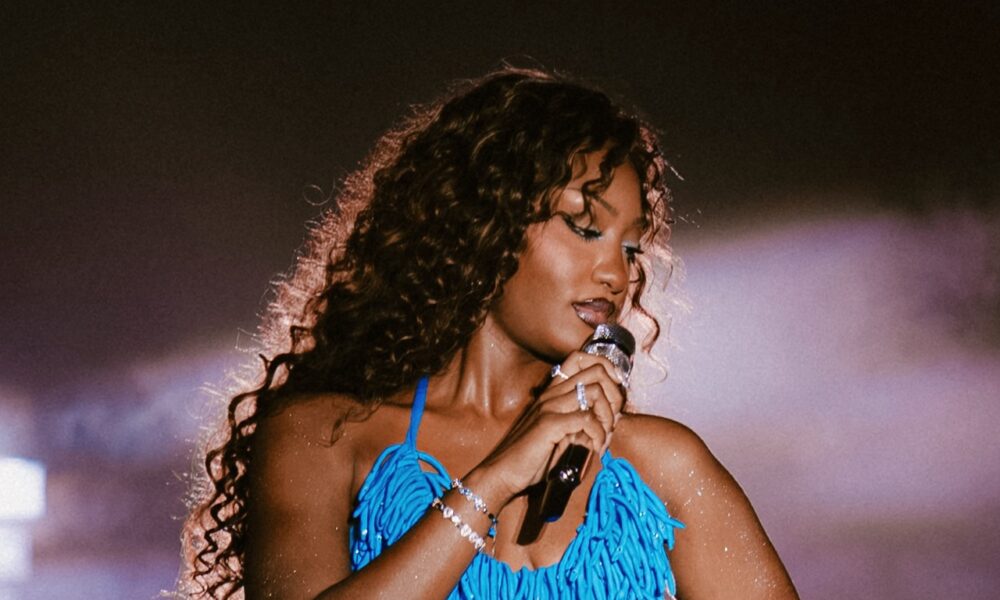
The pink hair is gone, and so are the apologies. Florence Ifeoluwa Otedola—better known to Afrobeats fans worldwide as DJ Cuppy—is stepping into a new era, one where she’s no longer performing an identity crafted for public consumption. After years of being instantly recognizable with her signature bold wigs and larger-than-life energy, the Nigerian DJ and philanthropist is choosing authenticity over expectation, depth over spectacle. “This is the emancipation of Cuppy,” she declares, “and she is freeing herself of the perceptions of others.”
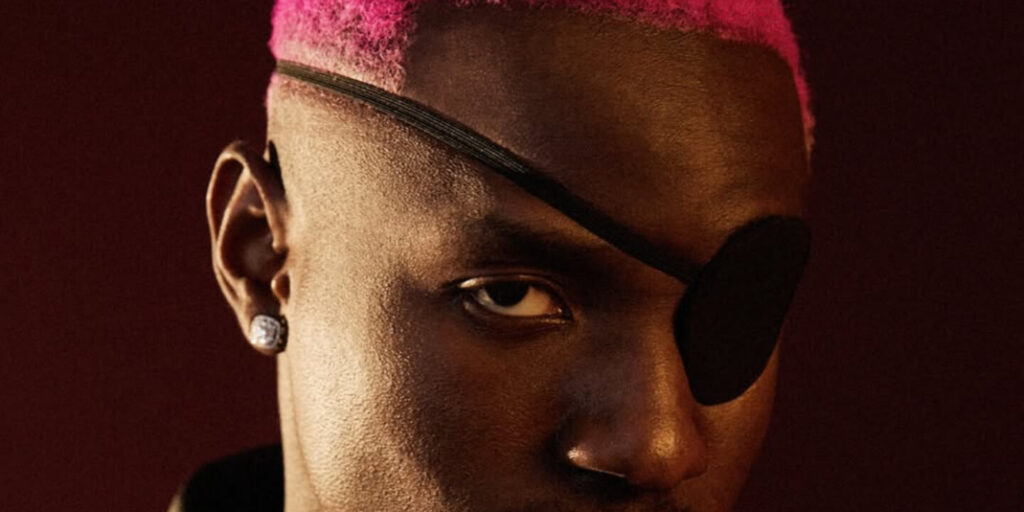
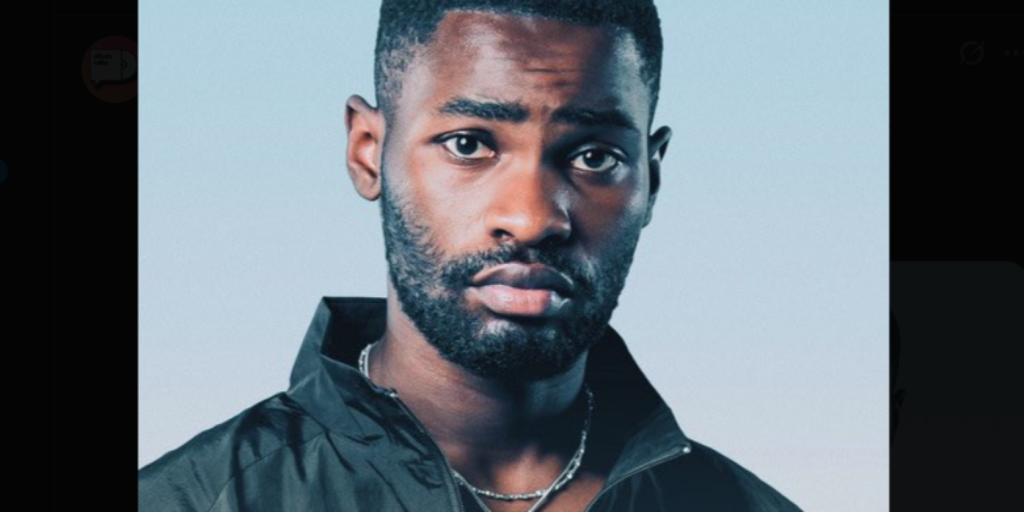
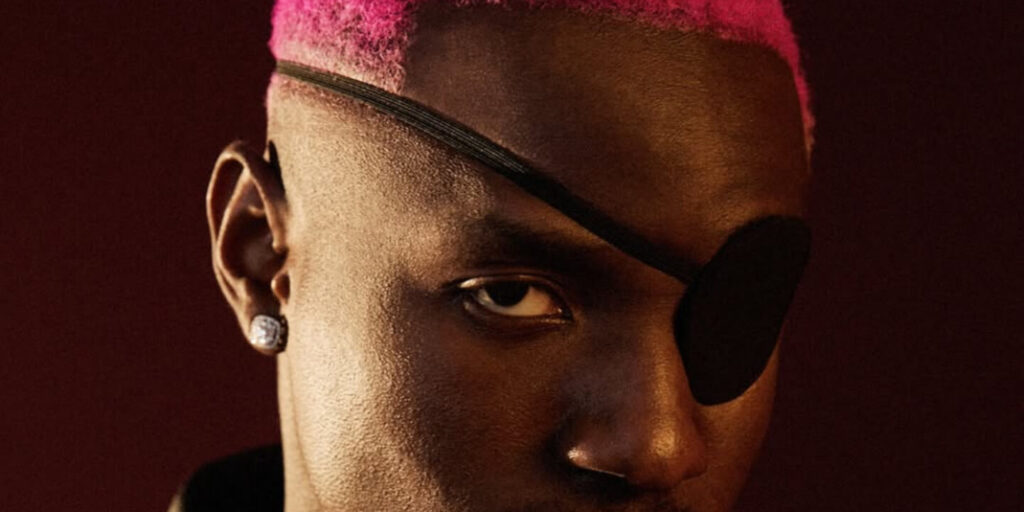
Cuppy’s journey in Afrobeats has been anything but ordinary. Her debut album Original Copy brought together an impressive roster of talent—Rema, Fireboy DML, Wyclef Jean, Sir Shina Peters, and Julian Marley—showcasing her ability to bridge African sounds with global influences. But while music remains her first love and “a form of healing,” Florence has been quietly building something far more expansive. Through the Cuppy Foundation, she’s emerged as the largest single funder of Save The Children’s work in Africa since 2018, raising over $17 million for displaced and impoverished children in Nigeria. Her work caught the attention of the Gates Foundation, which named her a Goalkeeper in 2025 for her advocacy around quality education and gender equality. She’s become a regular voice at the United Nations General Assembly, using her platform to champion sustainable development goals across the continent.
Yet beneath the accolades and global recognition, Florence has been wrestling with a more personal challenge: the weight of living up to the Cuppy persona she created. Growing up as the daughter of billionaire businessman Femi Otedola meant carrying high expectations from the start. For years, she leaned into the character—the pink wigs, the false lashes, the performative energy that audiences loved. But something shifted. “I had gotten used to performing who I am, and that is something I am unlearning,” she admits. “For a long time, I felt like people applauded Cuppy’s energy, but they failed to recognise my depth as Florence.” So she made a choice that might seem small but carries profound significance: she stopped wearing the pink wig. She stopped apologizing for evolving. And she stopped doing things just because people expected them.
What we’re witnessing now is not an abandonment of Cuppy’s legacy in Afrobeats, but an expansion of it. Music remains central—”As Africans, we communicate so strongly through music,” she reflects—but Florence is making space for all the other dimensions of herself. The DJ who once commanded stages across continents is now commanding boardrooms and UN assemblies. The artist who brought Afrobeats to global audiences is now ensuring African children have access to education and opportunity. And the woman who once felt pressured to maintain an unsustainable persona is now choosing freedom. This isn’t the end of DJ Cuppy’s story in Afrobeats—it’s the beginning of Florence Otedola’s most authentic chapter yet.
Stay connected with Afrobeat San Diego for the latest in global Afrobeats.